Itinerary
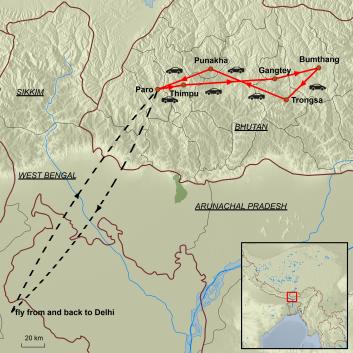
DELHI – THIMPU – GANGTEY – BUMTHANG – TRONGSA -PUNAKHA – PARO – DELHI
DAY 01 (Sat 17Oct) – TRAVEL to DELHI
Depart from the UK from one of the following airports: Birmingham, Edinburgh, Glasgow, London Heathrow, London Gatwick, or Manchester. We will discuss flight options with you.
DAY 02 (Sun 18Oct) – ARRIVE DELHI – Colonels Retreat
On arrival at Delhi airport , you will be met and transferred to your hotel (Standard check-in time is 1400 hrs).
The rest of the day will be at leisure.
DAY 03 – (Mon 19Oct) – DELHI – PARO onwards to THIMPU
In time, you will be transferred to the international airport to connect with your flight Paro. Flight timings are not yet available.
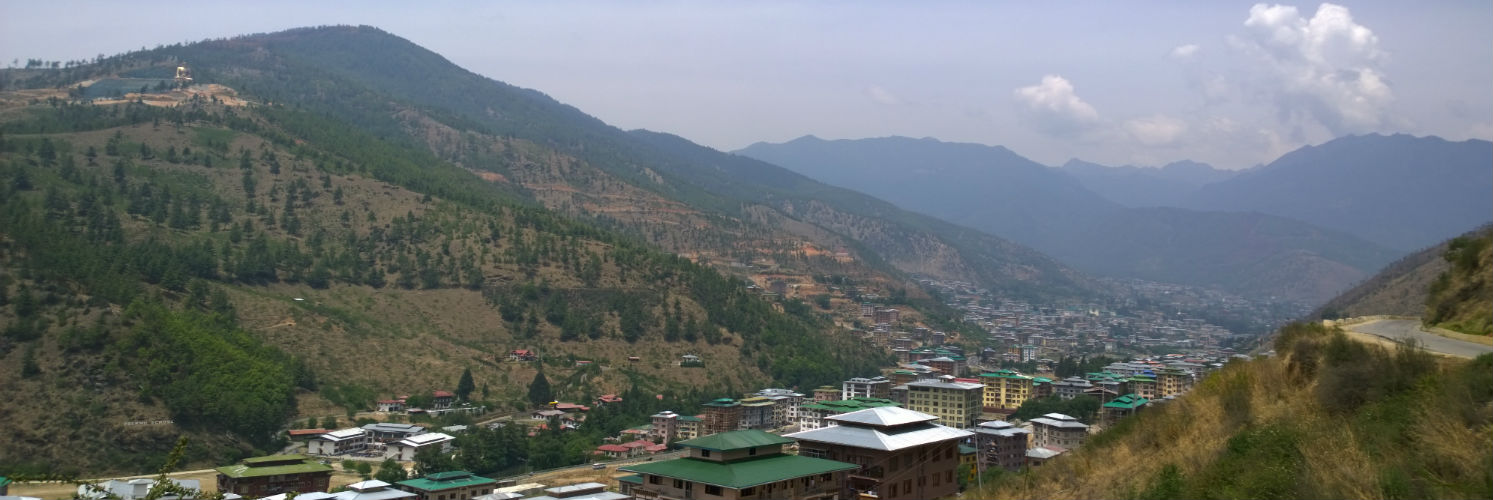
Meeting & assistance on arrival and transfer to Thimphu (approx. 55 kms – 1.5 hrs), the modern capital of Bhutan. Enroute take a short stop at Chuzom, the confluence of the Paro & Thimphu rivers.
On arrival in Thimphu, assisted check into your hotel.
After lunch, visit Trashichhodzong, the beautiful medieval fortress/monastery. Later explore the weekend market of Thimphu.
Day 04 – (Tue 20Oct) – THIMPU
After breakfast, visit Buddha Point (Kuensel Phodrang), and the National Textile Museum.
After lunch visit to Taking Preserve & Druthob Nunnery, Changangkha Temple, and King’s Memorial Chorten.
DAY 05 – (Wed 21Oct) – THIMPU to GANGTEY
After breakfast, drive to Gangtey (approx. 150 kms – 5+ hrs) en-route taking a short stop at Dochula pass (3080m) that heralds one of the most enchanting views of Bhutan.
The journey continues over the 3,050m mountain pass where on a clear day, the towering Himalayan peaks are clearly visible. The highway follows the scenic Dang Chhu before climbing through forests of bamboo and oak.
On arrival, check-in at the hotel.
DAY 06 – (Thu 22Oct) – GANGTEY
After breakfast, visit Gangtey Gompa, one of the largest Nyingmapa sect monasteries in Bhutan.
Then embark on a fascinating walk on the Gangtey Nature Trail (approx. 2 hrs walk) to explore Phobjikha Valley which is famous for Black Necked Cranes that migrate here in the winter months from the Tibetan plateau. Also, visit the Black Necked Crane Information Centre.
DAY 07 – (Fri 23Oct) – GANGTEY to BUMTHANG
After breakfast, drive to Bumthang (approx. 153 kms – 7 hrs). Enroute cross 3300m Pelela pass and later visit Chendbji Chorten, the stupa patterned on Swayambhunath in Kathmandu.
To break the journey we have a stop at Trongsa for lunch.
After lunch in Trongsa, drive onward to Bumthang across Yutongla pass (3400m). Arrive and check-in at the hotel.
DAY 08 – (Sat 24Oct) – BUMTHANG
Full day exploring the beautiful valley of Bumthang; visiting Jakar Dzong, Jambay Lhakhang, Kurje Lhakhang, Tamshing Lhakhang and Lhodrak Kharchu monastery.
DAY 09 – (Sat 25Oct) – BUMTHANG JAKAR FESTIVAL
Attend the Jakar Festival today at Jakar Dzong
The Jakar Dzong or the “Castle of the White Bird” dominates the Chamkhar valley and overlooks the town. Constructed in 1549, by the Tibetan Lam Nagi Wangchuk, the Dzong played an important role as the fortress of defence of the whole eastern Dzongkhags. It also became the seat of the first king of Bhutan. A special feature of the Dzong is the approximately fifty-meter high Utse or the Central tower, which is distinct from most other Dzongs in Bhutan. The other unique feature of the Dzong is a sheltered passage, with two parallel walls, interconnected by fortified towers, which gave the population of the fortress access to water in the case of a siege. The protected water supply is still intact to this day.
DAY 10 – (Sun 26Oct) – BUMTHANG to TRONGSA
After breakfast, drive to Trongsa (approx. 68 kms – 3 hrs). Upon arrival check-in at the hotel.
Later in the afternoon visit Trongsa Dzong, built-in 1648 it was the seat of power over central and eastern Bhutan.
Followed by a visit of Ta Dzong (Closed on Weekends), recently opened fort in Trongsa. The Ta Dzong, a cylindrical stone structure rising five stories, was built in 1652 by Chhogyel Minjur Tempa, after more than 350 years, it has been resurrected into a museum, that represents a tasteful blend of tradition and modernity.
The evening is at leisure to explore.
DAY 11 – (Mon 27Oct) – TRONGSA to PUNAKHA
This morning after breakfast drive to Punakha (approx 145 kms – 7+ hours under present road conditions)
Enroute take a short excursion to Chimi Lhakhang (from the hotel it is about 15 minutes’ drive till motorable road and then walk starts through paddy fields and villages. This is total about 1.5-hour walk, including both ways). The Chimi Lhakhang, situated on a hillock in the centre of the valley, also known as the temple of fertility. It is widely believed that couples who do not have children and wanting one, if they pray at this temple, they are usually blessed with a child very soon. The trail leads across rice fields to the tiny settlement of Pana, meaning ‘field’. A walk through the village near the temple will give you rare glimpses into the daily life and lifestyle of the villagers
DAY 12 – (Tue 28 Oct) – PUNAKHA
After breakfast, walking excursion to Khamsum Yulley Namgyal Chorten (approx. 2 hrs walk).
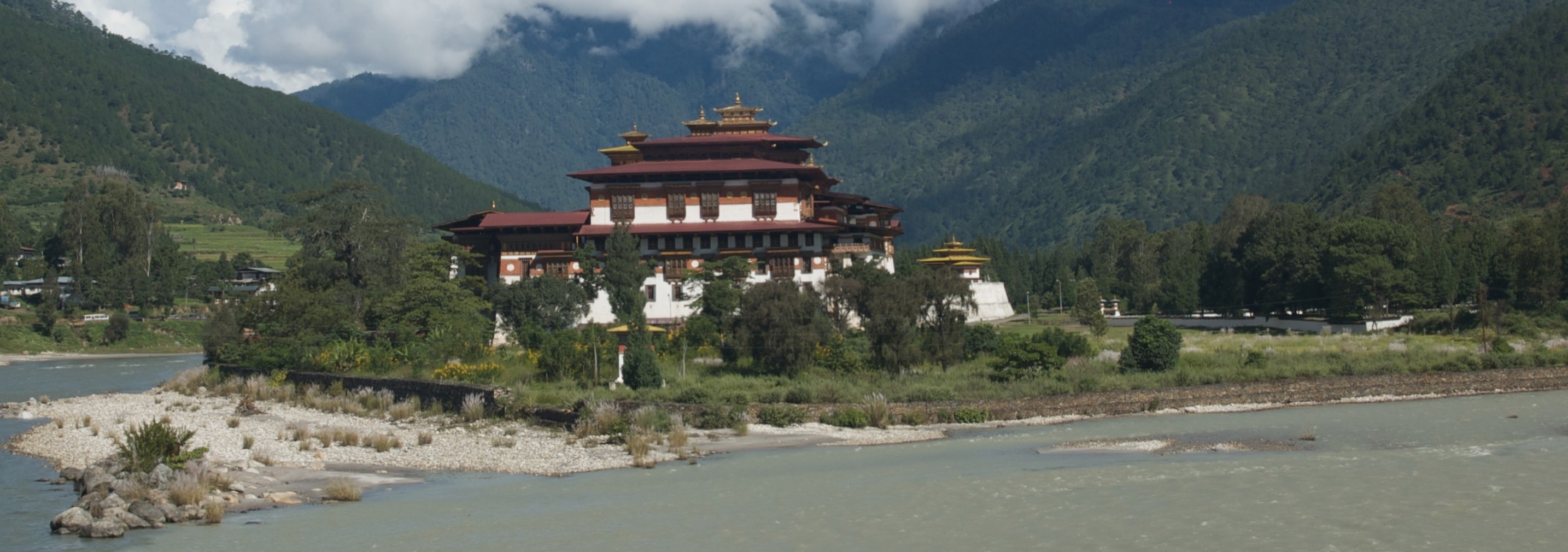
After lunch, visit magnificent Punakha Dzong.
Following the dzong visit, there will be an excursion to Talo village, which is scattered along the hill slopes and known for its cleanliness and hygiene among Punakha villages. Talo is the seat of the mind incarnations of the Zhabdrung. Talo Sangnacholing Dzong is built on a plateau and has a majestic view of surrounding villages. The beautiful farmhouses of the village have its own flower gardens and on the hill slope, corns and sweet peas are grown in abundance. Spend time at Nobgang and Talo villages visiting farmhouses and meeting families, experiencing Bhutanese rural life.
DAY 13 – (Wed 29Oct) – PUNAKHA to PARO
After breakfast, drive to Paro (approx. 125 kms – 4 hrs) en-route visiting Simtokha Dzong, the oldest fortress of the country which now houses School for Buddhist studies.
On arrival in Paro, check into the hotel. After lunch, visit Ta Dzong (national museum) and Rinpung Dzong
DAY 14 – (Thu 30Oct) – PARO
After an early breakfast embark on an excursion to Taktsang Monastery or Tiger’s Nest (approx. 5 hrs round trip walk.
Later you will visit Kyichu Lhakhang, one of the oldest and most sacred shrines of the country.
DAY 15 – (Fri 31Oct) – PARO to DELHI Colonels Retreat
In time, you will be transferred to Paro international airport to connect with your flight to Delhi. On arrival, you will be met and transferred to your hotel. For the rest of the day, you will be at leisure. A car and driver can be arranged.
DAY 16 – (Sat 01Nov) – DELHI – HOMEBOUND
In time, you will be transferred to the international airport to connect with your flight home.
Hotels envisaged (3*+)
THIMPHU: Thimphu Tower / City Hotel / Hotel Gakyil / Hotel Jumolhari / Hotel Galingkha / Hotel Phuntsho Pelri / Namgay Heritage Hotel / Zhingkham Cottages
GANGTEY: Hotel Dewachen / Gakling Lodge / Wangchuk Lodge / Theckchenphodrang Lodge / Yue Lo Ki Lodge / Gangtey Guest House / Phuentsho Yangkhil Lodge / Dhangsa Resort / Kichu Resort
BUMTHANG: Wangdicholing Resort / Hotel Jakar View / Mountain Resort / Hotel Peling / Yu-Gharling Resort / Hotel Ugyenling / Swiss Guest House
TRONGSA: Yangkhil Resort / Phuenzi Lodge
PUNAKHA: Meri Puensum Resort / Hotel Zangtho Pelri / Khuru Resort / Zhingkham Resort / Y.T Hotel
PARO: Tashi Namgay Resort / Tenzinling Resort / Hotel Drukchen / Hotel Olathang / Kichu Resort / Tiger Nest Resort /Yewong Eco Lodge

Beautiful Bhutan
Special Value
- International flights included
- Bhutan Sustainable Development Fee & Taxes
- All transfers, sightseeing and excursions as per the itinerary will be by;
In India: Mini coach
In Bhutan: Toyota Coaster Bus - Private escorts Graham and Fiona Roberts will escort the tour
- Also, a Bhutan guide will travel with the group throughout the tour
- Sightseeing and activities in Bhutan as mentioned in the itinerary
- Meals are Full Board while in Bhutan
- Entrances to all monument and places of interest are included
- Bhutan Visa for the clients
- Drive through beautiful countrysides of Bhutan
- Explore the local Bhutanese villages in Bumthang
- Visit the famous Taktsang Monastery (Tiger’s Nest) in Paro
- See Gangkar Puensum, Bhutan’s highest peak at 7,497m
- Gangtey Nature Trail (approx. 2 hrs walk) to explore Phobjikha Valley
- Visit the Black Necked Crane Centre and learn all about these magnificent birds and their special place in local folklore
- Discover Taktsang Monastery, or The Tiger’s Nest, where Guru Padmasambhava meditated for three years, three months, and three days
- Take in the countryside as you travel from city to village and back again
- Explore wonderful villages, beautiful dzongs (temples), taste Bhutanese dishes, and soak in the deep religious beliefs of the people
This Tour features the following locations
DELHI: Delhi – the City of Djinns, the political centre of the largest democracy in the world. Every step in Delhi takes you into a world of chaos and mayhem, without once failing to leave you captivated and tantalized with its mayhem, mystery, and magic.
THIMPHU: Thimphu, situated at an altitude of 2400m, is the centre of government, religion, and commerce. The capital has an interesting combination of tradition and modernity and includes some of the most advanced and remotest parts of the kingdom.
GANGTEY: The valley of Gangtey is one of the most beautiful spots in Bhutan. A few kilometres beyond the Gangtey Monastery, on the valley floor, lays the village of Phobjikha. This place is the winter home of black-necked cranes that migrate from the arid plains in the north to pass winter in milder and lower climate.
BUMTHANG: This region that spans from 2,600-4,500m is the religious heartland of the nation and home to some of its oldest Buddhist temples and monasteries. The last valley in Central Bhutan, Ura Valley, is also the highest in Bumthang. Wide-open spaces characterize the valley that sits in the shadow of the Thrumshing La (3800m/12465ft), separating the East from the West of the kingdom. Ura village and its new monastery are a charming stop before the climb to the east. Cobbled streets and a medieval feel give Ura an unusual yet very attractive atmosphere. The old women of Ura still wear sheepskin shawls on their backs which double as a blanket and cushion.
TRONGSA: Trongsa Dzong was built in 1648 and has been the traditional home of all four kings of Bhutan before their ascending the throne. Tongsa Dzong is an impregnable fortress. The Dzong itself is a labyrinth of temples, corridors, and offices holding court over the local community. The dzong acts as a defensive fortress, stepping down into the valley and its bright golden yellow roof occupies most of the view from Tongsa. You can also climb a steep path to visit the Ta Dzong (watch tower), dedicated to King Gesar of Ling.
PUNAKHA: Punakha has been inextricably linked to some of the most momentous events in Bhutanese history and deserves its reputation as one of the most beautiful and significant regions at the heart of Bhutanese culture.
PARO: The cultural highlights of Paro resemble so much the intricate and beautiful textiles worn by the people during the valley’s annual festival. Here we take you through the rice fields, orchards, farmhouses and temples of various ages.